



School Sign Up
Sign up for testing via our online scheduler. Share your school contact person, as well as the number of children in first grade or younger. Our office will prepare forms in English and Spanish, based on the information you provide, and confirm your requested test date, or provide an alternative date if necessary.
Get Started
Lead hurts everyone.
Let’s fix the problem.

Lead poisoning is most harmful to children, but it hurts grown-ups, too. Even low-level exposure can harm the hearts, brains, kidneys and reproductive systems of adults. Don’t wait for someone else to fix the problem. Learn how to get tested for lead … and get help.
Ask About Testing
Lead poisoning is dangerous for adults as well as children. The elderly have special risks. Often symptoms go unnoticed, which can lead to fatal consequences. Protect the seniors you love.

In the early to mid-20th century, lead was marketed as an essential ingredient in industrial society. Today, hundreds of tons of lead in paint that cover the walls of houses, apartment buildings and workplaces across the United States remain.
Though people in newer homes feel relatively immune from the dangers of lead, anyone who lives in a home built before 1978 is at risk. The gentrification of older neighborhoods and the renovation of old homes can expose people to dangerous levels of lead from lead-polluted dust, paint chips, soil and air.
People with jobs that expose them to lead can get lead poisoning. Jobs that put people at risk include battery manufacturing and recycling, construction work, auto repair and lead smelting. Workers in these occupations can unknowingly carry lead dust home from the workplace and expose their families.
It isn’t just about the kids
Because the young are most at risk, many programs and resources focus primarily on reducing the harmful impact of lead in children and pregnant women. But lead exposure is a danger to older adults. That’s why adults should be tested for lead exposure, too.
Medical studies show that lead exposure in adults has a negative impact on a range of health issues involving the heart, kidneys and brain. One study found a link between elevated blood lead levels in adults and premature death from cardiovascular disease. In this study, researchers found that adults ages 44 and older with high lead levels (6.7 micrograms per deciliter (µg/dL)) had a 37 percent greater risk of death from any cause and a 70 percent greater risk of death from cardiovascular disease than those without elevated blood levels. The study estimates more than 250,000 adults die prematurely each year from cardiovascular disease as a result of lead exposure over their lifetimes.
How to get help
The Healthy Homes Environmental Consumer Management and Senior Care department at the Marion County Public Health Department helps address lead poisoning prevention in the community by testing homes and consumer products and screening blood to identify lead poisoning.
To get tested for lead exposure, contact the Marion County Public Health Department at 317-221-2155 or stop into the free walk-in clinic every Thursday from noon to 5 p.m. at 3901 Meadows Drive, Indianapolis, Ind., 46205. No appointment is needed.
For home inspections, risk assessments, soil and water testing and consumer product testing call 317-221-2155 or complete the contact form on this page.
Sources: The Center for Community Solutions, Mother Jones
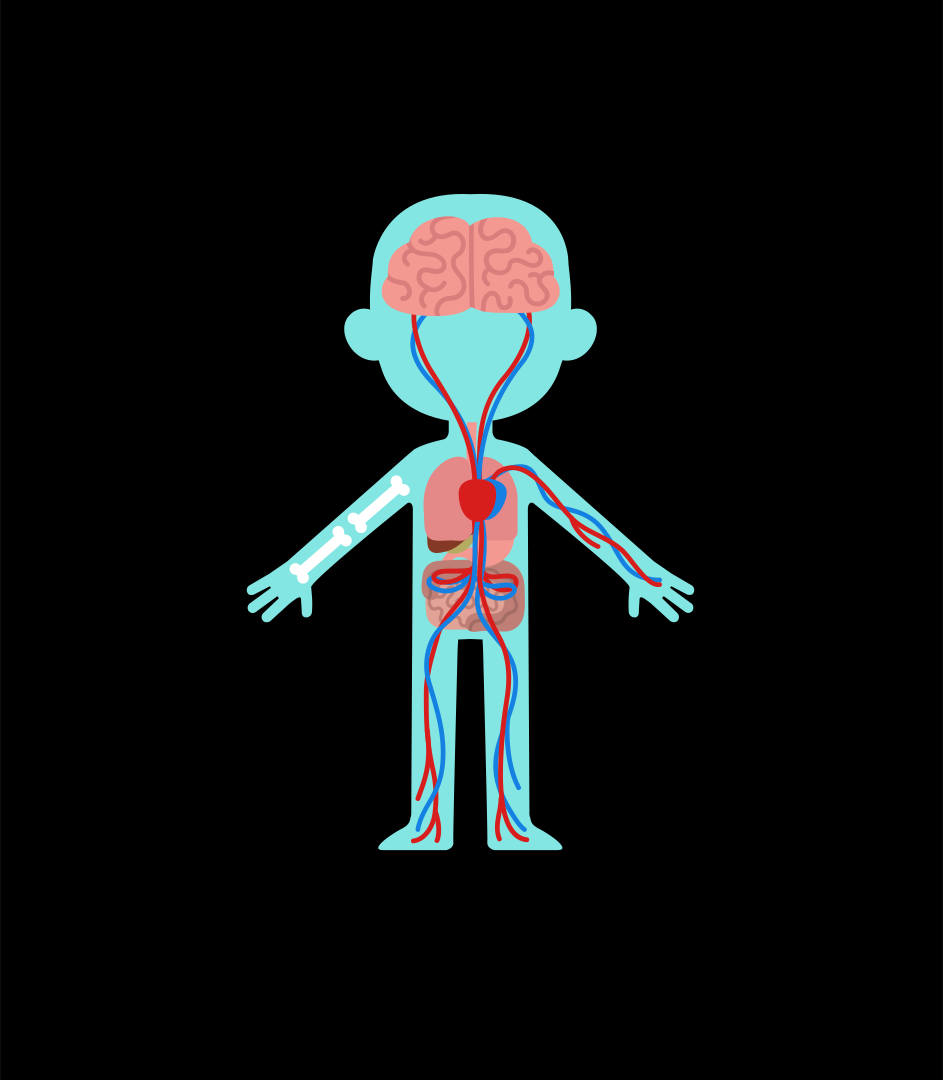
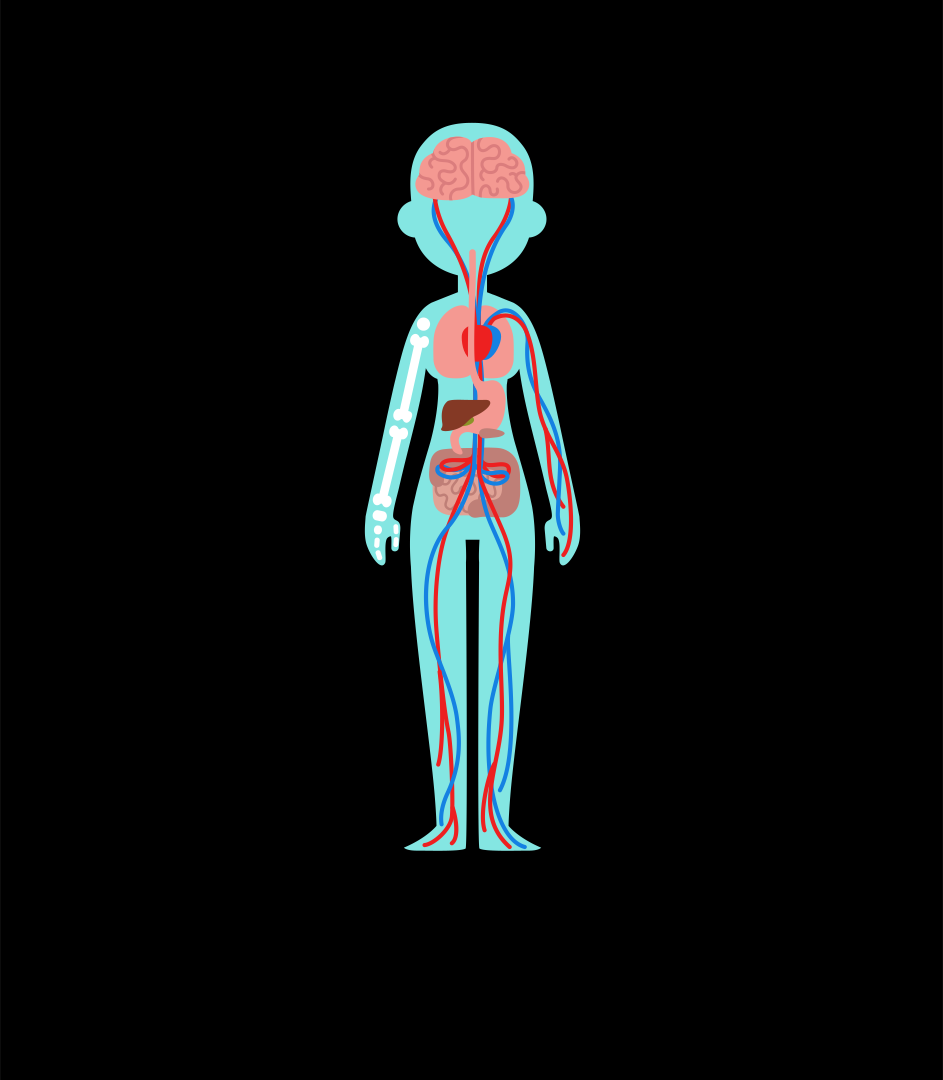
HOW LEAD HARMS US
Lead exposure can affect nearly every system in the human body. It often occurs with no obvious symptoms.
BRAIN
Slowed brain development and damage resulting in reduced IQ, behavioral changes, reduced attention span, aggressive behavior and learning impairments
BLOOD
Anemia, high blood pressure
KIDNEYS
Damage and disease
NERVES
Reduced sensitivity, hearing loss, fine and gross motor skills slowed or impaired
REPRODUCTIVE SYSTEM
Infertility and pregnancy complications in adulthood
BODY
Muscle weakness and slowed bone development
BRAIN
Poor concentration, confusion, memory problems
BLOOD
Anemia, high blood pressure and heart disease
KIDNEYS
Damage and disease
NERVES
Reduced sensitivity, hearing loss, fine and gross motor skills slowed or impaired
REPRODUCTIVE SYSTEM
Infertility, miscarriage, stillbirth, preterm birth and low birth weight
BODY
Muscle and joint pain and weakened bones
HOUSEHOLD HAZARDS
You may be surprised to learn where lead is hiding in your home. Find helpful links on the resources page.
Windows
- Do not dry-sweep or dry-dust blinds and windowsills.
- Wipe down surfaces weekly with wet rags or paper towels.
Toys
- Look up recall information.
- Install a recall app.
- Return recalled toys or take them to a hazardous waste site.
Dripline
- Don’t allow children to play under the eaves (dripline).
- Add mulch or plant grass near the house.
- Don’t plant produce near the house.
- Wash hands after spending time outside.
- Remove shoes before coming inside.
Faucets
- Run the tap 1-2 minutes before use.
- Use cold water for cooking.
- Don’t drink from outdoor spigots.
- Have your water tested annually.
- Call your water company to ask about free testing.
Soil
- Test soil for lead.
- Grow produce in raised beds.
- Plant away from buildings and roads.
- Wash produce before use.
Cookware
- Avoid using enameled pots produced prior to 1971.
- Check for a “not for food use” label.
- Don’t serve or store food in chipped cookware or dishes.
Dishes
- Don’t use chipped dishes.
- Avoid vintage ceramics made before 1971.
- Test dishes for lead.
- Check for a “not for food use” label.
Imports
- Be cautious about products you use and eat.
- Don’t buy spices while traveling internationally.
- Read about lead in food and medicine.
- Have products tested by the health department.
Floors
- Clean floors often.
- Use HEPA filters on the vacuum cleaner.
- Replace carpets with washable rugs.
Entryway
- Wipe shoes on a grooved floor mat outside.
- Remove shoes before entering.
- If you work with lead, shower before coming home.
- Wash work clothes separately and often.
Renovation
- Review the EPA guidelines.
- If your home was built before 1978, hire EPA-certified contractors.
- See the Homes page on this website.
Cosmetics
- Read labels before using products.
- Choose lead-free cosmetics with natural ingredients.
- Keep cosmetics away from children.
- Learn more about lead in cosmetics.
HOUSEHOLD HAZARDS
You may be surprised to learn where lead is hiding in your home. Find helpful links on the resources page.
Windows
- Do not dry-sweep or dry-dust blinds and windowsills.
- Wipe down surfaces weekly with wet rags or paper towels.
Toys
- Look up recall information.
- Install a recall app.
- Return recalled toys or take them to a hazardous waste site.
Dripline
- Don’t allow children to play under the eaves (dripline).
- Add mulch or plant grass near the house.
- Don’t plant produce near the house.
- Wash hands after spending time outside.
- Remove shoes before coming inside.
Faucets
- Run the tap 1-2 minutes before use.
- Use cold water for cooking.
- Don’t drink from outdoor spigots.
- Have your water tested annually.
- Call your water company to ask about free testing.
Soil
- Test soil for lead.
- Grow produce in raised beds.
- Plant away from buildings and roads.
- Wash produce before use.
Cookware
- Avoid using enameled pots produced prior to 1971.
- Check for a “not for food use” label.
- Don’t serve or store food in chipped cookware or dishes.
Dishes
- Don’t use chipped dishes.
- Avoid vintage ceramics made before 1971.
- Test dishes for lead.
- Check for a “not for food use” label.
Imports
- Be cautious about products you use and eat.
- Don’t buy spices while traveling internationally.
- Read about lead in food and medicine.
- Have products tested by the health department.
Floors
- Clean floors often.
- Use HEPA filters on the vacuum cleaner.
- Replace carpets with washable rugs.
Entryway
- Wipe shoes on a grooved floor mat outside.
- Remove shoes before entering.
- If you work with lead, shower before coming home.
- Wash work clothes separately and often.
Renovation
- Review the EPA guidelines.
- If your home was built before 1978, hire EPA-certified contractors.
- See the Homes page on this website.
Cosmetics
- Read labels before using products.
- Choose lead-free cosmetics with natural ingredients.
- Keep cosmetics away from children.
- Learn more about lead in cosmetics.