


School Sign Up
Sign up for testing via our online scheduler. Share your school contact person, as well as the number of children in first grade or younger. Our office will prepare forms in English and Spanish, based on the information you provide, and confirm your requested test date, or provide an alternative date if necessary.
Get Started
Renovate safely.
It’s the law.

If you own a home or building built before 1978, you’ve got special responsibilities. If you’re a homeowner, be aware of lead hazards so you can educate and protect your family. If you’re a contractor or landlord, take charge of protecting residents, tenants, your crew and yourself. Renovate right.
Learn About LeadLOOK UP PROPERTY HISTORY
Are you curious about a property’s lead history? Find out! Knowing that history will help you make informed decisions, especially if you live with small children. Look up an address to find out if a lead history exists.The U.S. Department of Housing and Urban Development recommends that anyone working on a pre-1987 building or home follow the Renovation, Repair and Painting rules, which boil down to three simple procedures:
- Contain the work area.
- Minimize dust.
- Clean up thoroughly.
RENOVATION HAZARDS
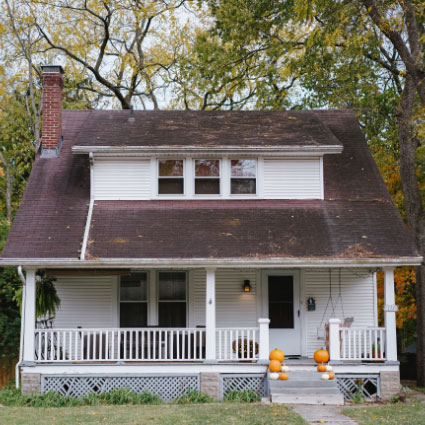
Renovating or repairing a home or building built before 1978? You’ve got some extra to-dos. Learn how to protect families, tenants and workers. Find helpful links on the resources page.
PAINTED FENCES
- If paint and surface are in good condition, apply an encapsulant before repainting.
- If paint is peeling or cracking, use a licensed abatement contractor to have it removed.
PORCHES
- If paint and surface are in good condition, apply an encapsulant before repainting.
- If paint is peeling or cracking, use a licensed abatement contractor to have it removed.
SOIL
- Have soil tested for lead.
- Wipe shoes on a floor mat outside and remove them before entering.
- Plant produce away from buildings and use raised beds with fresh soil.
DOORS
- If paint and surface are in good condition, apply an encapsulant before repainting.
- If paint is peeling or cracking, use a licensed abatement contractor to have it removed.
WINDOWS
- If paint and surface are in good condition, apply an encapsulant before repainting.
- If paint is peeling or cracking, use a licensed abatement contractor to have it removed.
FAUCETS
- Run the tap 1-2 minutes before use.
- Don’t drink from outdoor spigots.
- Use cold water for cooking.
- Have water tested annually.
- Call the water company to ask about free testing.
MINIBLINDS
- Wear gloves and a mask to clean or remove old blinds.
- Wipe blinds with a wet rag or paper towel before removing.
- Clean window area after removing.
- Look for “lead-free” labels on new blinds.
SHELVING
- If paint and surface are in good condition, apply an encapsulant before repainting.
- If paint is peeling or cracking, use a licensed abatement contractor to have it removed.
WALLS + BASEBOARDS
- If paint and surface are in good condition, apply an encapsulant before repainting.
- If paint is peeling or cracking, use a licensed abatement contractor to have it removed.
STAIRCASES
- If paint and surface are in good condition, apply an encapsulant before repainting.
- If paint is peeling or cracking, use a licensed abatement contractor to have it removed.
RADIATORS
- If paint and surface are in good condition, apply an encapsulant before repainting.
- If paint is peeling or cracking, use a licensed abatement contractor to have it removed.
STAINED GLASS
- Repair stable lead came (borders around glass pieces) and solder away from dining areas and food.
- If you’re removing stained glass pieces for repair by a professional, wear a mask and gloves and wash your hands thoroughly afterward.
RENOVATION HAZARDS
Renovating or repairing a home or building built before 1978? You’ve got some extra to-dos. Learn how to protect families, tenants and workers. Find helpful links on the resources page.
PAINTED FENCES
- If paint and surface are in good condition, apply an encapsulant before repainting.
- If paint is peeling or cracking, use a licensed abatement contractor to have it removed.
PORCHES
- If paint and surface are in good condition, apply an encapsulant before repainting.
- If paint is peeling or cracking, use a licensed abatement contractor to have it removed.
SOIL
- Have soil tested for lead.
- Wipe shoes on a floor mat outside and remove them before entering.
- Plant produce away from buildings and use raised beds with fresh soil.
DOORS
- If paint and surface are in good condition, apply an encapsulant before repainting.
- If paint is peeling or cracking, use a licensed abatement contractor to have it removed.
WINDOWS
- If paint and surface are in good condition, apply an encapsulant before repainting.
- If paint is peeling or cracking, use a licensed abatement contractor to have it removed.
FAUCETS
- Run the tap 1-2 minutes before use.
- Don’t drink from outdoor spigots.
- Use cold water for cooking.
- Have water tested annually.
- Call the water company to ask about free testing.
MINIBLINDS
- Wear gloves and a mask to clean or remove old blinds.
- Wipe blinds with a wet rag or paper towel before removing.
- Clean window area after removing.
- Look for “lead-free” labels on new blinds.
SHELVING
- If paint and surface are in good condition, apply an encapsulant before repainting.
- If paint is peeling or cracking, use a licensed abatement contractor to have it removed.
WALLS + BASEBOARDS
- If paint and surface are in good condition, apply an encapsulant before repainting.
- If paint is peeling or cracking, use a licensed abatement contractor to have it removed.
STAIRCASES
- If paint and surface are in good condition, apply an encapsulant before repainting.
- If paint is peeling or cracking, use a licensed abatement contractor to have it removed.
RADIATORS
- If paint and surface are in good condition, apply an encapsulant before repainting.
- If paint is peeling or cracking, use a licensed abatement contractor to have it removed.
STAINED GLASS
- Repair stable lead came (borders around glass pieces) and solder away from dining areas and food.
- If you’re removing stained glass pieces for repair by a professional, wear a mask and gloves and wash your hands thoroughly afterward.
Q&A FOR HOMEOWNERS, CONTRACTORS & LANDLORDS
If the structure was built before 1978, there is likely to be lead paint present. If any paint in the building is chipping or peeling, consider lead abatement. Professional testing is the best way to find out if your paint, plumbing or soil contain lead. Homeowners can request a testing kit from the Indiana Collaboration for Lead Action and Prevention (ICLAP) for dust, water, paint and soil analysis.

As of June 2019, the EPA has set the threshold for safe lead levels at 0 micrograms (µg) of lead in dust per square foot (ft2) for floor dust and 100 µg/ft2 for windowsill dust, significantly lower than the previous levels of 40 micrograms per square foot (µg/ft2) for floor dust and 250 micrograms per square foot (µg/ft2) for windowsill dust. Read more.
Contact the Indiana Department of Health at 317-233-1325 or the Marion County Public Health Department at 317-221-2155.
The EPA strongly recommends hiring licensed abatement contractors where lead dust is a hazard. If you work in a home that might generate lead dust, wear the right protective gear (a mask, gloves and disposable all-body covering) and create an “airlock” of plastic curtains to contain lead dust to the workspace. Read more about how to create a safe DIY workspace.
Search for contractors through the Indiana Professional Licensing Agency or the EPA.
Call the Marion County Public Health Department at 317-221-2155 or complete the contact form on this page.
Apply for free lead testing and control for both renters and owners through the Indiana Housing and Community Development Authority.
Encapsulants are materials that are applied over lead-based paint to seal the paint to a surface and prevent the release of paint chips or dust. The material may be either a liquid or an adhesive. Conventional paint or primer is not an encapsulant.
Send a message or call the Marion County Public Health Department at 317-221-2155.
Is lead exposure a risk in your home?
Pick up a free Lead Screening Kit!Available at one of 18
Indianapolis Public Library
locations. See locations.
